How to Choose a Small Greenhouse: A Practical Buying Guide
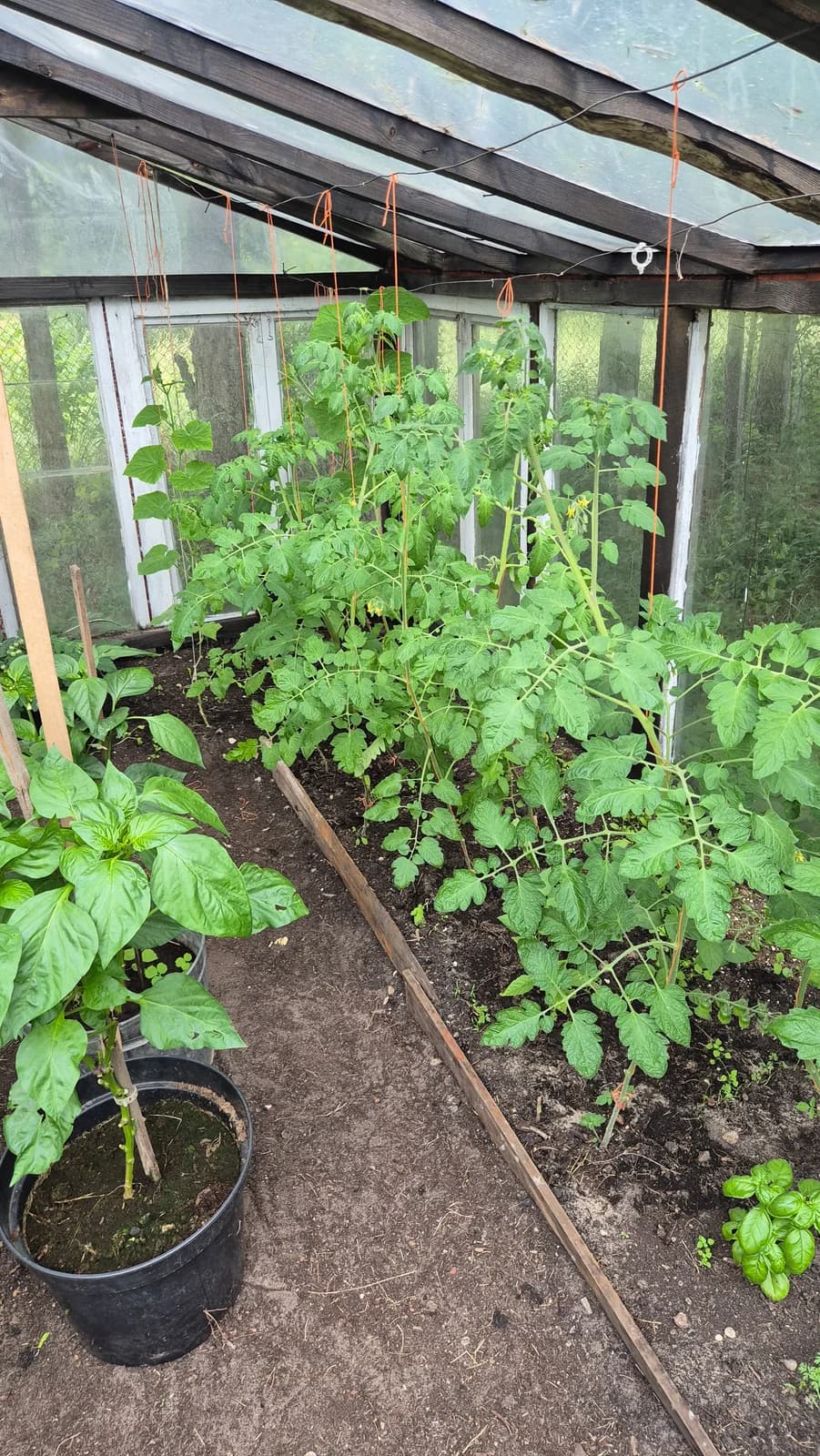
Choose a small greenhouse by starting with what you want to grow and where it can stand. The useful comparison is the growing space, light and daily care each design will give you.
Our first season in Latvia made the site question especially clear. We grew tomatoes and cucumbers in the old greenhouse, but it was in shade and the tomato harvest was small. We've now chosen a sunnier site and ordered a new greenhouse, expected in November. We haven't grown in the new one yet.
Decide what the greenhouse needs to do
Write down its main job: starting seedlings, growing summer vegetables, or protecting plants beyond the outdoor season. Then sketch the space those plants and their containers will occupy.
The RHS vegetable greenhouse guide recommends planning bed and floor space for crops as well as benches for seedlings. Shelf capacity and floor area aren't interchangeable when the plants you want to grow become tall.
Compare usable space
Measure the paths and doorway as well as the outer dimensions. Ask whether you can reach the back of a planting area, carry a watering can through the door, and work beside the plants as they grow.
An attached greenhouse may put it close to the house and utilities, while a freestanding one offers more freedom over placement. Oklahoma State University's guide describes that trade-off and the importance of accounting for planting benches and walkways when choosing dimensions.
For a compact garden, make a simple drawing with the proposed footprint, door opening, paths and neighbouring beds. That will reveal more than an advertised plant count.
Compare light and ventilation together
The University of Georgia greenhouse guide highlights light exposure and the shade cast by trees and buildings. Locate the structure for the plants you intend to grow before comparing finishes or accessories.
Also inspect how air will move through it. RHS guidance identifies doors, roof vents and side vents as ventilation openings. Ask which are included and how they operate. Consider who will open them when the weather changes.
Check the base and installation costs
Include ground preparation, the base, anchoring and delivery in your comparison. The RHS school greenhouse guide calls for a level surface, anchoring and access to water. Those requirements also help explain why the kit price is only part of the project.
For each model, ask the supplier for the base dimensions and installation instructions. If you plan to add irrigation or ventilation equipment, check compatibility before ordering.
Questions to ask before buying
| Question | What to compare |
|---|---|
| Will our intended crops fit at maturity? | Growing height, planting space and room to work |
| Where can it stand? | Sunlight, shade, drainage and wind exposure |
| How is it ventilated? | Included vents, door access and opener options |
| What does the ground need? | Base, anchors and site preparation |
| How will we water it? | Water source, route and equipment space |
| What is the complete cost? | Kit, delivery, base, assembly and accessories |
Our next step is delivery and installation; the growing season after that will supply the useful evidence about the new greenhouse. For now, the lesson from the old one is to take its location seriously.
Related reading
Keep reading
More on gardening

Why Is My Grass Not Growing? How to Fix a Slow, Patchy New Lawn
New grass coming up thin or patchy? Here are the real reasons grass seed fails to grow, diagnosed from my own slow lawn, plus how to fix each one.
Replacing a Potato Patch With Lawn: Our Decision and What to Plan
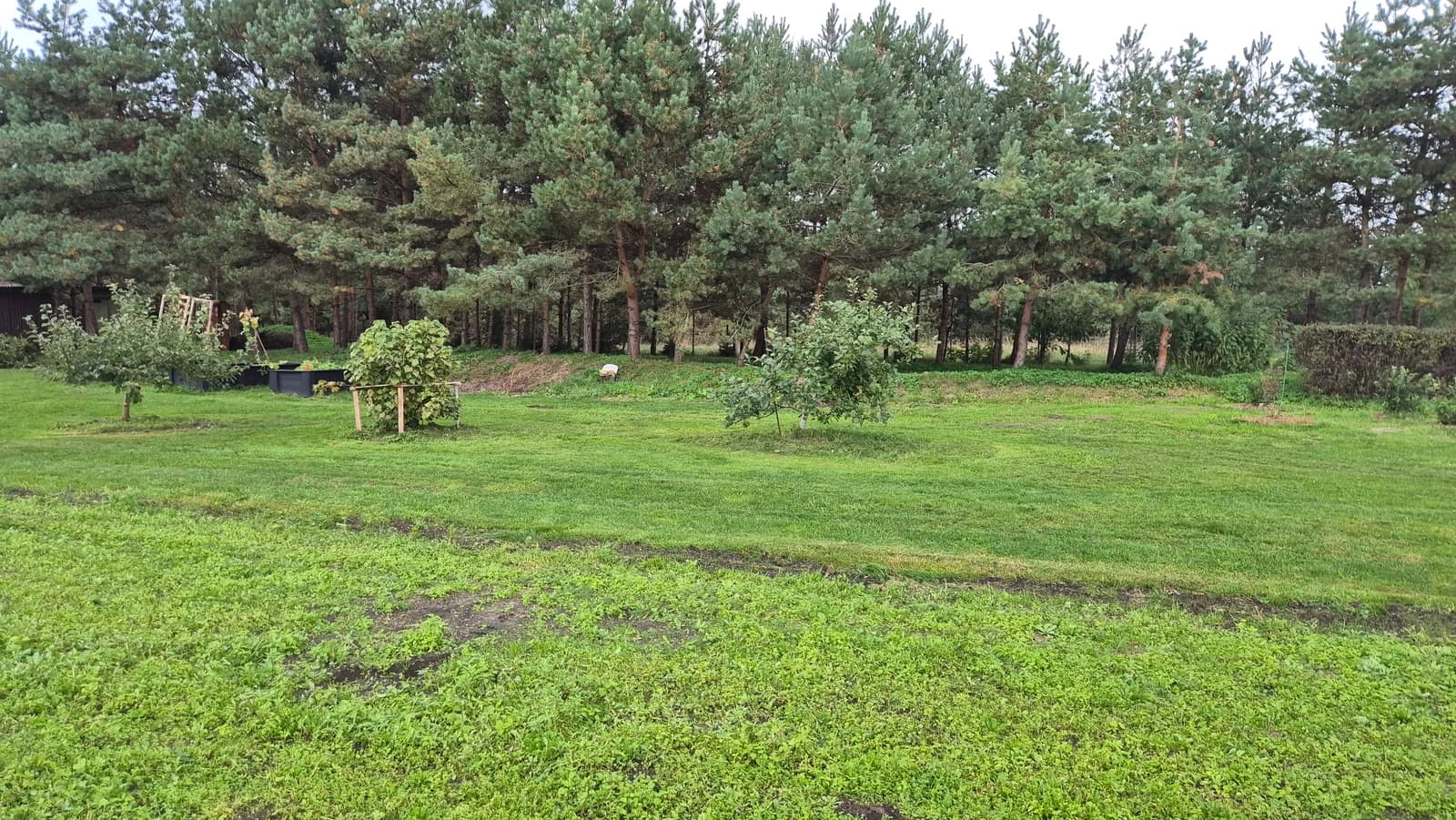
We decided to stop growing potatoes after a disappointing harvest. Here's how we're planning grass, raised beds and a greenhouse in that space, plus the preparation and watering questions to settle before sowing a former vegetable plot.

How to Get Rid of Ants Around the House: Every Method, Tested and Ranked
How to get rid of ants around the house and garden, ranked honestly: the contact powder that cleared my foundation in a week, plus what actually kills the colony.